
Penguin editorial / 2026-08-19
Your Hong Kong Corporate Event Photography Shot List
Plan a useful corporate event photography shot list for speakers, people, brand details and candid moments—with permissions, image use and delivery agreed before the event.
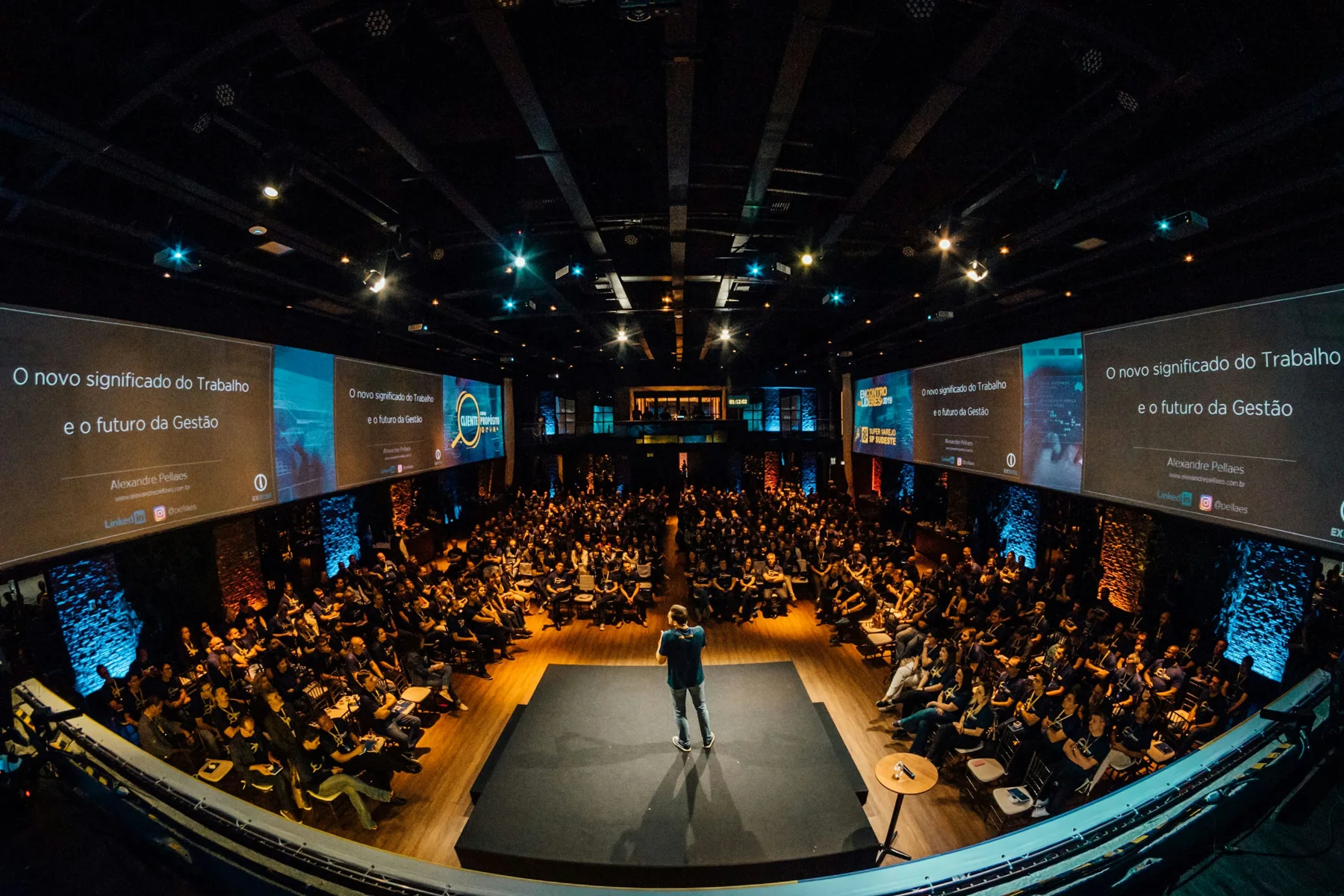
A useful corporate event photography shot list starts with what the images need to do. Choose the moments that tell the story, support follow-up or provide approved marketing material, then give the photographer a schedule and the right contacts. A list is a guide—not a substitute for adapting to the room and unscripted moments.
Start with the purpose
Name the intended uses—such as an internal recap, stakeholder update or social post—before adding shots. This sets priorities and formats: a social image may need space for a caption, while a report may need a wide audience view. Confirm who approves photographs before sharing.
Map each priority to a programme moment, with time, location, people and an identifying contact. Nominate someone to alert the photographer if the schedule changes.
A practical shot list
Adapt these groups to your event. Send names and useful reference photos in advance.
- Establishing and brand: the room before guests arrive, stage or venue context, event signage, approved sponsor marks, registration area and relevant display details. Check that logos are correctly presented.
- Speakers and programme: each priority speaker at the lectern or in conversation, a clear view of the stage, audience reactions, panel or award moments, and a wide image showing the scale of the gathering. Mark key cues and unobstructed shooting positions.
- People and teams: leadership or designated VIPs, host with guest, a planned team portrait, and smaller working or networking groups. List the people in formal group images and assign someone to assemble them.
- Candid atmosphere: genuine conversation, attentive listening, applause and interactions between colleagues. Also request a few less crowded frames that could work in communications. Request posed portraits where a recognisable image matters.
- Details and transitions: table or product details, event materials, room setup and arrivals, if relevant to the story. Prioritise people and key content over decoration.
For a VIP, note the name, title, arrival window, contact, posed-photo expectation and any restricted moments. Agree a fallback window if the programme shifts; a named organiser should handle introductions.
Permissions, delivery and image use
Tell attendees if photography is planned and explain any opt-out or restriction process. Brief the photographer on who or what must not be photographed, how to identify restrictions, and whom to ask. Confirm organiser responsibilities and venue or speaker requirements; a general notice may not settle every permission question.
Agree deliverables in writing: selection scope, file format and resolution, delivery method and timing, recipients, and any channel-specific requirements. Also set out usage with the photographer: intended channels, internal or external use, duration if relevant, credit, edits and partner use. Copyright and permitted use are not automatically the same; make terms explicit. The American Society of Media Photographers’ licensing example illustrates why usage terms should be set out rather than assumed. This is a planning reminder, not legal advice.
Afterwards, have one person check a curated selection against the brief, verify names and captions, and approve images for specific uses. A focused selection is easier to use than an unfiltered folder.
Before-event handover checklist
- Share the running order, access details, key contacts, and priority names and moments.
- Distinguish posed requests from candid coverage, and explain restrictions or opt-outs.
- Confirm delivery, approval and usage terms; coordinate stage positions with other suppliers.
Adobe’s event photography preparation guidance recommends aligning on the schedule and expectations while leaving room for unplanned moments. List what cannot be missed, then leave room for the event to unfold.
Frequently asked questions
Should every image be posed?
No. Use posed photographs for specific groups or formal portraits that need to be dependable. Candid coverage can show interaction and atmosphere. Tell the photographer which is which so neither style is expected to serve every purpose.
How do we avoid missing a VIP photograph?
Assign a named organiser to coordinate the introduction, confirm the time and place, and provide the photographer with the correct name and reference image beforehand. Include a contact and a fallback window in case the programme changes.
If you are planning a corporate event in Hong Kong, enquire about Penguin Business Service event coordination and share your event date, photography priorities and requirements. Or send a WhatsApp enquiry.